Every internet marketer analyzes traffic in Google Analytics, and sooner or later faces the problem of analyzing traffic from Facebook
Every internet marketer analyzes traffic in Google Analytics, and sooner or later faces the problem of analyzing traffic from Facebook
It feels like it wasn’t that long ago when the book "The Ultimate Guide to Google AdWords" by Perry Marshall and Bryan Todd (published by Mann, Ivanov & Ferber) came out. But, believe it or not, it’s been six years since then. And in those six years, a lot has changed in the world of contextual advertising.
Product ads have become quite the trend in online marketing. It’s that case where you’re not advertising a whole category or range of products, but rather a specific item, complete with a picture, price, promotion, and detailed features.
At some point, all website owners face the challenge of updating or migrating their site. On the one hand, it’s exciting to refresh the look and feel of the business online. But on the other hand, merging an old site with a new one can be risky. One mistake could lead to a significant loss of both traffic and rankings that took time to build. To help you avoid that, we’ve written this guide on how to merge and update a site without losing traffic or SEO positions.
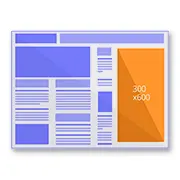
One of the most pressing issues regarding banner advertising in Google Ads is the current banner sizes, as the requirements for them change quite often.
Advertising with bloggers isn’t just about paying for product placements in a popular person’s feed (though that’s an option too). It’s actually a specific marketing strategy aimed at increasing visibility, loyalty, and trust among customers.
App promotion is a niche and highly specialized field due to the specific nature of apps, their audience, and the relatively high entry barrier into the market.
The primary purpose of an app is to solve user problems, streamline communication with websites, and increase loyalty among existing customers. Whether it’s ordering water, sending mail, buying flowers, or hailing a taxi, users no longer need to call, wait on hold, or enter their details every time — they just install an app, and a few clicks later, their task is done.
Every company eventually finds itself needing to appear on Google Maps, which has become a must-have for businesses today. The process is simple, yet can be challenging, and involves several steps:
Not set is a very slippery and delicate problem, which is not determined immediately, but by reviewing many elements. These were emotions)))
Enhanced Ecommerce Google Analytics is an opportunity to track user actions on the site, starting from viewing the product, ending with ordering it on the site, track the chain of interactions at the level of big data, make systemic conclusions and make decisions on structural changes. The most advanced analytics for online stores.